
Cargo Loading: A Critical Step in the Supply Chain and Transportation
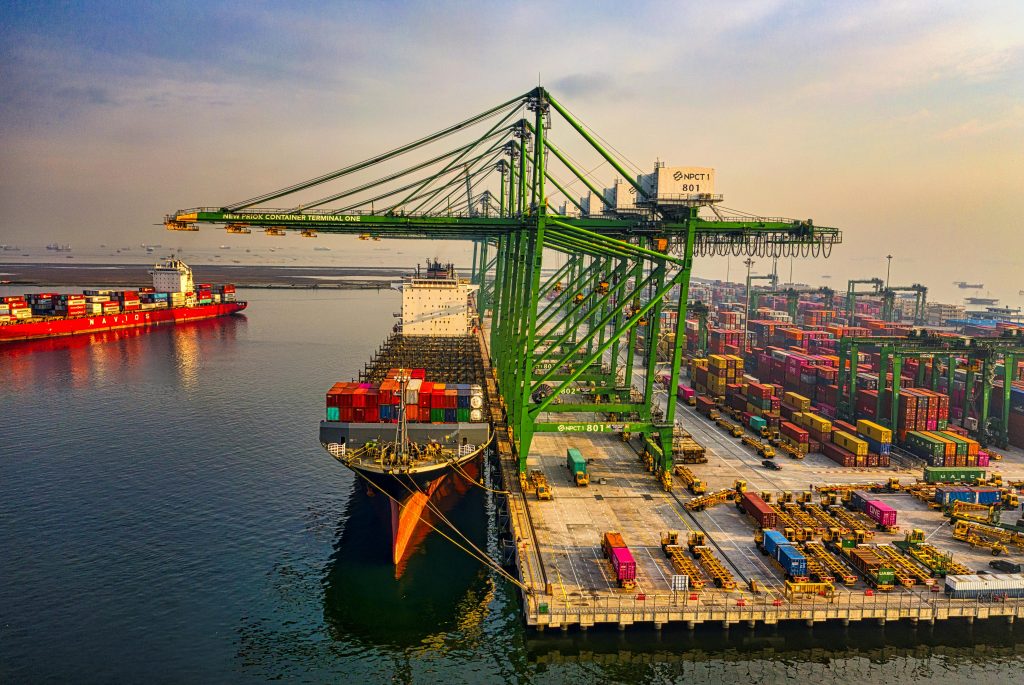
Cargo loading is one of the vital stages in the supply chain and transportation process, playing a key role in ensuring safety, speed, and operational efficiency. You can see an image related to this process in the card above.
Cargo loading refers to a series of operations through which goods are transferred from their origin (such as a warehouse, port, factory, or distribution center) to a transportation vehicle (truck, ship, train, or airplane). This process requires adherence to technical, safety, and legal standards to prevent damage to goods, transportation delays, and legal issues.
🔧 Specialized Steps in Cargo Loading
- Cargo Preparation: Includes proper packaging, labeling, document verification, and order matching.
- Initial Inspection: Assessing the physical condition of goods, verifying consistency with shipping documents, and identifying potential damages.
- Loading Space Allocation: Selecting the appropriate location within the vehicle based on the type, weight, volume, and route of the cargo.
- Use of Mechanical Equipment: Utilizing forklifts, cranes, conveyors, or automated systems for safe handling.
- Proper Load Arrangement: Ensuring balance, ventilation, accessibility, and avoiding excessive pressure on sensitive goods.
- Final Data Entry: Entering information into logistics systems, confirming the loading by the responsible personnel, and issuing the loading receipt.
📋 Loading Rules and Standards
- Safety Guidelines Compliance: Use of protective equipment, staff training, weight control, and prevention of hazardous loading.
- Transportation Regulations: Specific rules apply depending on the mode of transport (land, air, sea, or rail) that must be followed.
- International Standards: Such as ISO, IMO regulations for maritime transport, and ICAO for air transport, ensuring safety and quality.
⚠️ Common Challenges in Cargo Loading
- Mismatch between goods and documentation
- Lack of appropriate equipment
- Scheduling delays
- Damage due to improper arrangement
- Legal issues from non-compliance with regulations
