
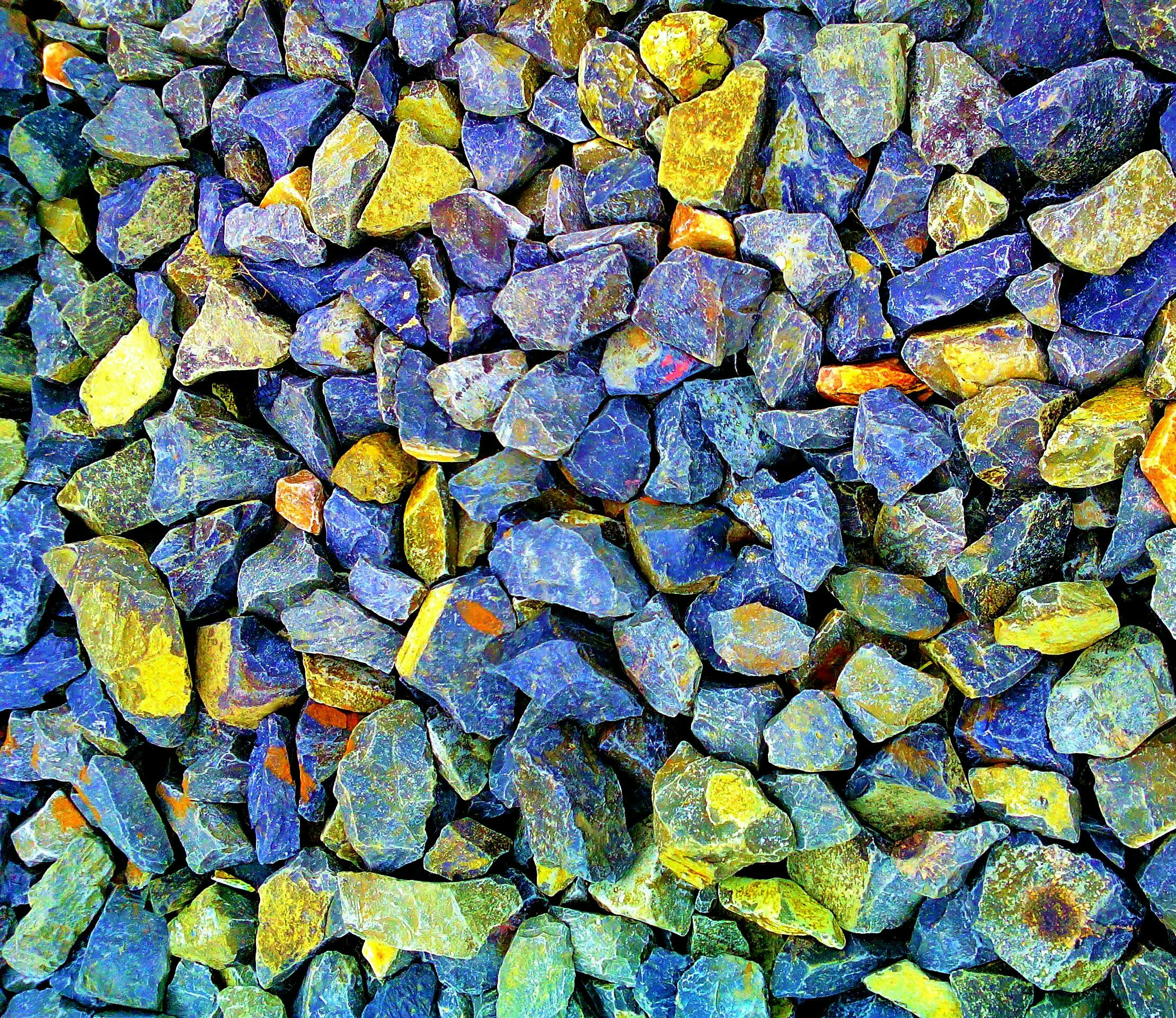
⛏️ Mineral Stone Supply: A Pillar of Mining and Construction Industries
The supply of mineral stones is a vital component of the mining and construction sectors, encompassing the stages of exploration, extraction, processing, and transportation. This process requires precise management, advanced technologies, and coordination with the industrial supply chain.
⛏️ Stages of Mineral Stone Supply
- Exploration of Mineral Resources: The first step involves identifying potential reserves through geological, geophysical studies and sampling. This phase plays a key role in the economic and technical evaluation of the mine.
- Ore Extraction: This includes drilling, blasting, loading, and transporting stones from the mine to the processing plant. Extraction methods vary depending on the type of stone (limestone, marl, granite, marble, etc.) and must adhere to safety and environmental standards.
- Crushing and Initial Processing: Extracted stones are crushed in crusher units to sizes suitable for various industries. This stage involves jaw crushers, impact crushers, cone crushers, and gyratory crushers operating in open or closed circuits.
- Transportation and Storage: After processing, stones are delivered to end users such as cement, steel, and construction factories or exported. Transportation may be carried out via trucks, conveyors, or railways.
🏗️ Role of Mineral Stones in Related Industries
- Cement Industry: Limestone and marl are the primary raw materials for producing clinker and cement. Compounds like calcium carbonate, silica, and alumina in these stones are essential.
- Construction and Infrastructure: Building stones such as granite, marble, and travertine are used in facades, flooring, and decorative elements. Stable supply is crucial for civil engineering projects.
- Metallurgical and Steel Industries: Stones like iron ore, bauxite, and manganese serve as raw materials in metal production, directly impacting industrial output.
🌱 Challenges and Solutions
- Environmental Challenges: Extraction and processing can lead to air pollution, soil degradation, and water resource depletion. Green technologies and mine rehabilitation are key solutions to mitigate these impacts.
Supply Chain Management: Price fluctuations, transport limitations, and dependence on specific sources pose challenges. Diversifying resources and implementing smart management systems can enhance sustainability.
