
✳️ Importing Tires for Light and Heavy Machinery: Market Insights and Technical Requirements
Importing tires for light and heavy vehicles is a critical component in meeting the demands of the transportation, agricultural, industrial, and construction sectors. Due to limited domestic production and the diverse needs of consumers, tire imports play a vital role in maintaining a stable supply chain. This sector is also considered one of the most profitable areas in the global and Iranian auto parts trade.
🔍 Differences Between Light and Heavy Tires
- Light tires include those used for passenger cars, pickups, and SUVs. These are typically smaller in size, designed with radial construction, and optimized for high-speed performance.
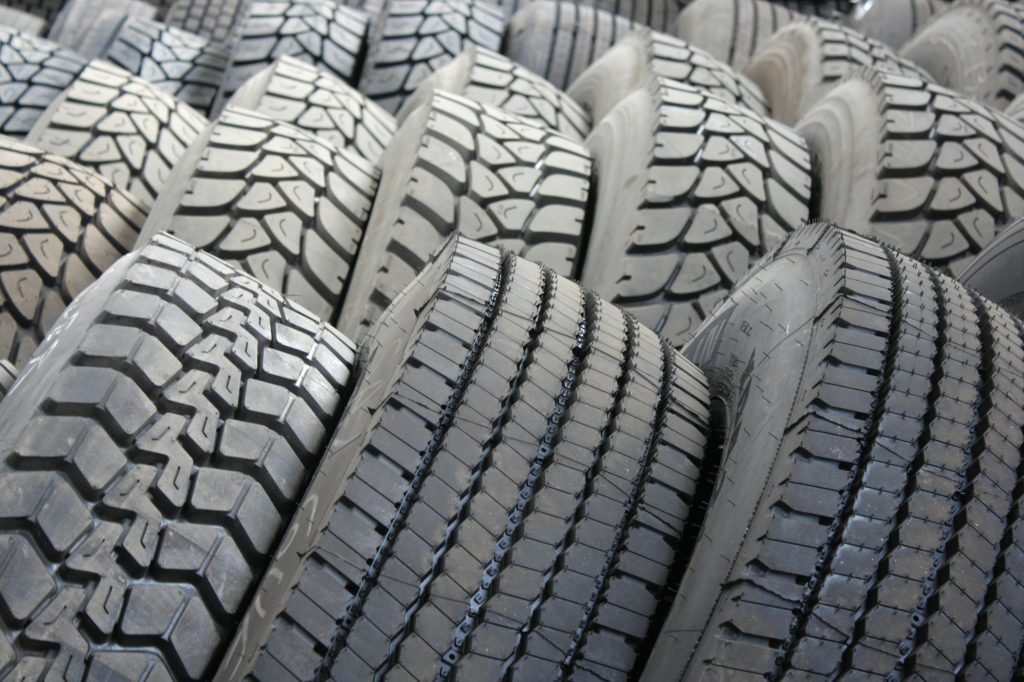
- Heavy tires are used for trucks, buses, construction machinery, agricultural, and industrial vehicles. They feature more robust structures, thicker sidewalls, and deeper treads to withstand heavy loads and harsh conditions.
📋 Tire Import Process
- Market Research: Analyze regional demand, types of active machinery, road conditions, and climate factors.
- Supplier Selection: Key exporting countries include China, South Korea, India, Turkey, and the UAE.
- Order Registration and Licensing:
- Iranian National Standard Certification
- Permit from the Road Maintenance and Transportation Organization (for heavy tires)
- Certificate of origin and commercial invoice
- Customs Clearance:
- Payment of import duties (typically lower for heavy tires than light ones)
- Technical compliance checks with national standards
- Transportation and Distribution: Choose appropriate shipping methods (sea or land) and establish a domestic distribution network.
🏷️ Leading Brands in the Import Market
- Light Tires: Kumho, Hankook, Maxxis, Toyo
- Heavy Tires: Double Coin, Triangle, Aeolus, BKT
⚠️ Challenges and Key Considerations
- Currency fluctuations and their impact on final pricing
- Sanctions-related restrictions and the need to source from third-party countries
- Competition with domestic manufacturers and compliance with national production support policies
- The importance of tread design and tire structure for safety and durability, especially in heavy-duty construction and mining applications
