
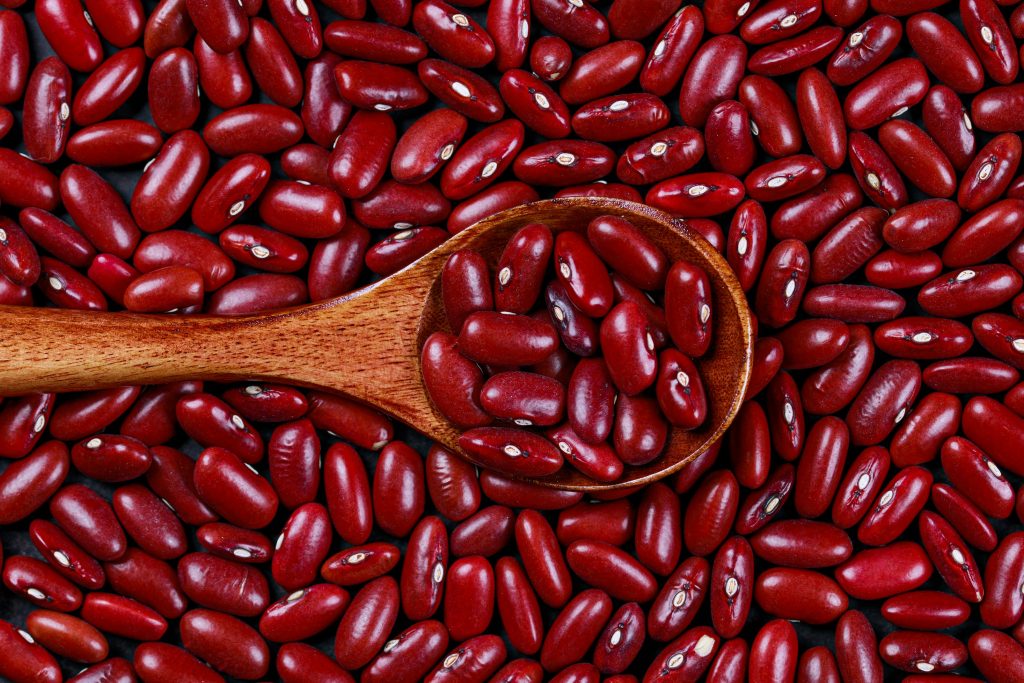
🌾 The Importance of Legumes in Food Security
- Legumes such as chickpeas, lentils, beans, and split peas are rich sources of plant-based protein, fiber, and essential minerals.
- They play a significant role in the diets of developing countries and serve as an affordable alternative to animal protein sources.
- Legumes also contribute to sustainable agriculture by fixing nitrogen in the soil, reducing the need for chemical fertilizers.
🏭 Domestic Production and Challenges
- Approximately 70% of Iran’s legume consumption is supplied through domestic production, while the remaining 30% is imported.
- The harvest season begins in late spring, with lentils harvested earlier and beans later.
- Challenges such as water scarcity, pests, and climate fluctuations affect production and can lead to price increases.
🌍 Imports and the Role of Trading Companies
- Imports from major producing countries such as Canada, India, Argentina, and Russia form a vital part of Iran’s supply chain.
- Companies like Kian Karaman Arya and Jahangostar Arsha play a key role in market regulation through importing and packaging legumes.
- Imports help reduce dependence on domestic production during crises and increase product diversity.
🔄 Supply Chain and Market Dynamics
- The supply chain includes stages of production, importation, packaging, distribution, and sales.
- Global price fluctuations, transportation costs, and currency policies impact the final price.
- Specialized associations such as the Iran Legumes Association contribute to market regulation and data reporting.
✅ Strategies for Improving Supply
- Expanding mechanized farming and developing pest- and drought-resistant seeds
- Government support for farmers and facilitating imports during critical periods
- Creating smart systems to monitor inventory and forecast demand
