
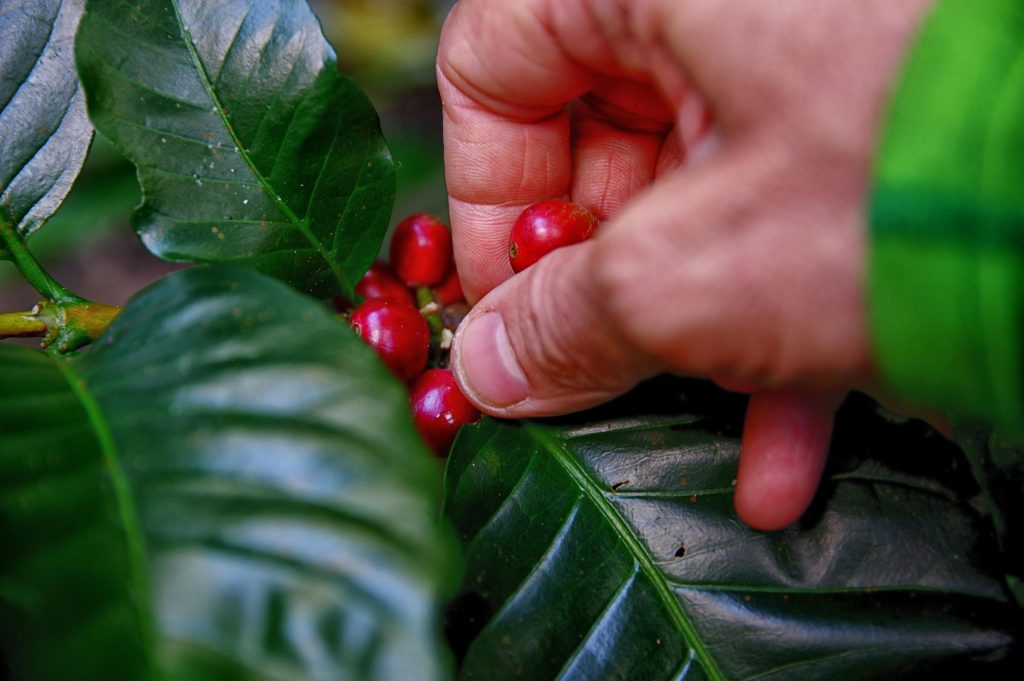
📦 Coffee Procurement and Supply
Coffee sourcing for the Iranian market is typically done from major producing countries such as Brazil, Vietnam, Colombia, India, Ethiopia, and Indonesia. These countries produce various types of coffee, including Arabica and Robusta, each with distinct flavor and aroma profiles.
Procurement Stages Include:
- Identifying Reliable Suppliers: Evaluating supplier history, quality certifications, and consistent supply capabilities
- Sampling and Quality Assessment: Analyzing taste, moisture content, bean size, and defect levels
- Purchase Agreements: Defining pricing, payment terms, delivery schedules, and packaging formats
🚢 Coffee Imports to Iran
Coffee imports to Iran have seen significant growth, with a 70% increase in 2024 compared to the previous year. This surge reflects rising demand and evolving consumer preferences among Iranians.
Import Procedures Include:
- Obtaining Necessary Permits: Including health certificates, quality standards approvals, and order registration in the national trade system
- Choosing Transportation Method: Sea freight from major ports like Bandar Abbas or air freight for smaller shipments
- Customs Clearance: Submitting documents such as the bill of lading, invoice, certificate of origin, and health certificate. Customs tariffs vary depending on the type of coffee (green, roasted, or ground)
📈 Challenges and Opportunities
Challenges:
- Currency exchange rate fluctuations affecting final pricing
- Changes in customs regulations and import directives
- Intense domestic competition and the need for strong branding
Opportunities:
- Growing coffee culture in Iran, especially among younger generations
- Potential to offer specialty products like organic or single-origin coffee
- Collaboration with coffee shops and retail chains for widespread distribution
