
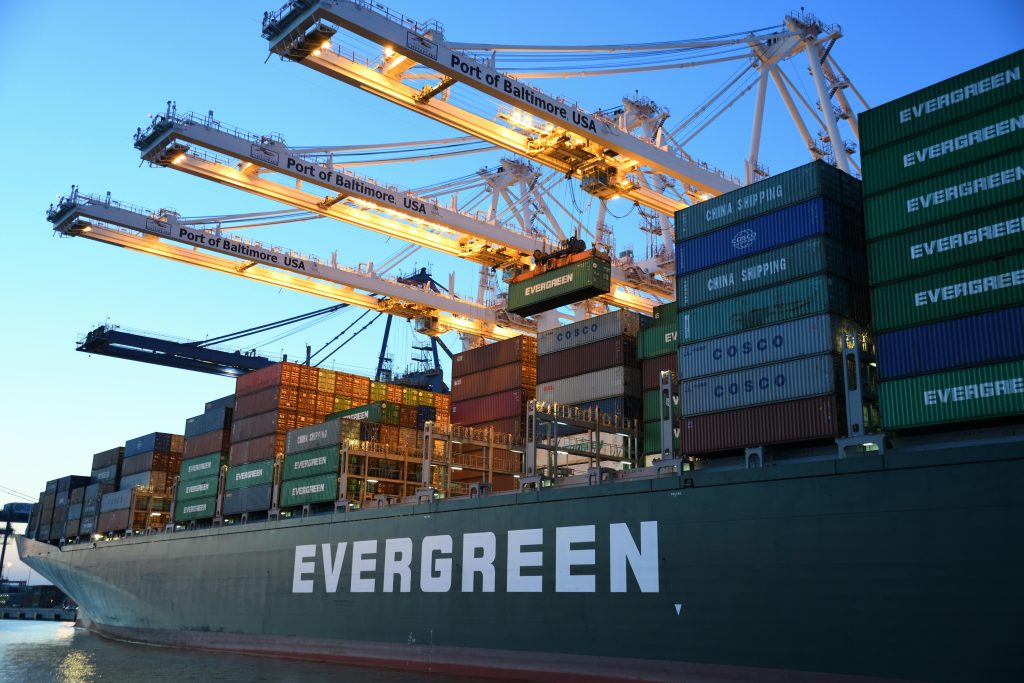
Strategic Role in Economic Development and Globalization
Exporting, as one of the key pillars of international trade, is the process of transferring goods or services from one country to foreign markets through official channels and under customs regulations. This economic activity is not only a vital source of foreign currency income but also plays a significant role in advancing technology, increasing employment, improving trade balance, and strengthening a country’s international standing.
Importance and Benefits of Exporting
- Market Diversification: Exporting allows companies to reduce dependence on domestic markets and enter new ones, thereby minimizing economic risks.
- Enhanced Productivity and Competitiveness: Competing in international markets requires adherence to quality and performance standards, which drives innovation and production efficiency.
- Attracting Investment and Foreign Currency: Exporting is one of the most effective ways to earn foreign exchange and improve the balance of payments.
- Creating Sustainable Employment: Export growth, especially in industrial and agricultural sectors, generates extensive job opportunities.
Requirements for Export Success
To succeed in international markets, the following requirements must be met:
- Target Market Research: In-depth understanding of consumer needs, cultural preferences, import regulations, and competitors in the destination country.
- Product Standardization and Quality: Compliance with international standards and obtaining certifications such as ISO, CE, and HACCP.
- Competitive Pricing: Pricing based on cost analysis, market competition, and perceived value by foreign customers.
- Supply Chain and Logistics Management: Careful planning in transportation, packaging, warehousing, and customs clearance.
- Utilization of Support Tools: Leveraging government incentives, export promotion programs, and consulting services from chambers of commerce and trade development organizations.
Challenges Faced by Exporters
Exporters encounter challenges such as currency fluctuations, tariff and non-tariff barriers, international sanctions, customs complexities, and intense global competition. Smart management of these challenges requires well-crafted export strategies, flexible business models, and investment in branding and international marketing.
